
Struggling to meet consumer demand for eco-friendly options? The pressure to move away from plastic is immense, and falling behind can damage your brand. Plant-based packaging is the answer, providing a sustainable path forward that aligns with modern values and protects our planet. It’s time to make the switch.
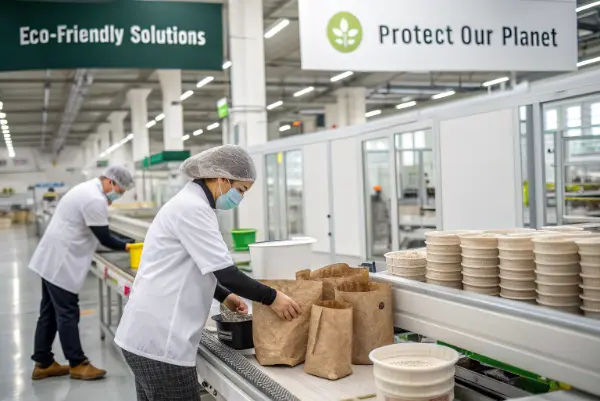
The explosive growth of plant-based packaging is driven by three main forces: intense consumer demand for sustainability, stricter government regulations against single-use plastics, and corporate Environmental, Social, and Governance (ESG) goals. Companies are also discovering that innovative materials like PLA and bagasse offer performance comparable to traditional plastics, making the switch both practical and brand-enhancing. This global shift is a direct response to a worldwide call for a circular economy.
It’s clear that the shift is happening, and it’s happening fast. But simply knowing why it’s popular isn’t enough for a business leader like you. To make smart, strategic decisions, you need to understand the details. What are the specific materials leading this charge? What hurdles might you face when you make the switch? Let’s dive deeper into the specifics to give you a complete picture for your business.
What Are the Key Materials Leading the Plant-Based Revolution?
It’s confusing trying to figure out which sustainable material is right for your products. A wrong choice could mean poor performance or even claims of greenwashing from your customers. By focusing on the proven leaders in plant-based packaging, you can confidently select a solution that is both effective and truly eco-friendly.
The key materials are polylactic acid (PLA), a bioplastic from corn starch; bagasse, a fibrous byproduct of sugarcane; and FSC-certified kraft paper. PLA is great for its clarity in cold cups and containers. Bagasse is strong and heat-resistant, perfect for hot food containers. Kraft paper offers a rustic, recyclable option for bags and wraps. Each serves a different, vital purpose in replacing traditional plastics.

When we start working with a new partner, this is often the first topic we discuss. A client I know, a packaging specialist in Canada named Jacky, came to us with this exact question. He needed a full range of solutions for a new line of grab-and-go foods. It wasn’t a one-size-fits-all problem. His cold-pressed juices needed a different solution than his hot soups. This is where understanding the core materials becomes critical. We broke it down for him, just as I’ll break it down for you now.
Polylactic Acid (PLA): The Clear Choice
PLA is a bioplastic derived from renewable resources like corn starch or sugarcane. It looks and feels a lot like traditional plastic, which is a huge advantage. Its best feature is its transparency, making it perfect for products where customers want to see what they’re buying. Think about salad bowls, deli containers, and cold-drink cups. However, it has one key limitation: a low melting point. This means it’s not suitable for hot foods or liquids. Its end-of-life is commercial composting, where it breaks down into organic matter under specific high-heat conditions.
Bagasse: The Sugarcane Powerhouse
This is one of my favorite materials. Bagasse is the dry, pulpy fiber that remains after sugarcane stalks are crushed to extract their juice. Instead of being discarded, this waste product is molded into incredibly sturdy and reliable packaging. It’s an amazing example of upcycling. Bagasse is brilliant for hot food containers, plates, and bowls because it’s microwave-safe and grease-resistant. Unlike PLA, it can handle heat very well. It’s also certified for both commercial and, in some cases, home composting, making it a very versatile choice.
Kraft Paper & FSC-Certified Paper: The Classic Recyclable
You can’t talk about sustainable packaging without mentioning paper. Kraft paper is known for its strength and durability, which is why it’s a top choice for bags, wraps, and cardboard boxes. When you see the FSC (Forest Stewardship Council) certification, it means the paper comes from responsibly managed forests. While paper is easily recyclable and biodegradable, it doesn’t handle moisture or grease well on its own. That’s why you’ll often see it with a thin PLA lining to create a barrier, making it suitable for coffee cups or soup containers. This combination offers the best of both worlds: a renewable outer layer with a functional, compostable liner.
| Feature | Polylactic Acid (PLA) | Bagasse | Kraft Paper |
|---|---|---|---|
| Source | Corn Starch, Cassava | Sugarcane Pulp | Wood Pulp |
| Best For | Cold Cups, Salad Bowls, Utensils | Hot Food Containers, Plates | Bags, Wraps, Boxes |
| Heat Tolerance | Low (Up to 40°C / 105°F) | High (Microwave-safe) | Moderate |
| End-of-Life | Commercially Compostable | Home & Commercially Compostable | Recyclable, Biodegradable |
What Major Hurdles Does Plant-Based Packaging Still Face?
Are you worried that switching to plant-based packaging is too complicated or expensive? These are legitimate concerns. The potential for higher costs, performance questions, and confusion about disposal can stop a great sustainability initiative before it even gets started. But knowing these challenges upfront allows you to create a realistic strategy to overcome them.
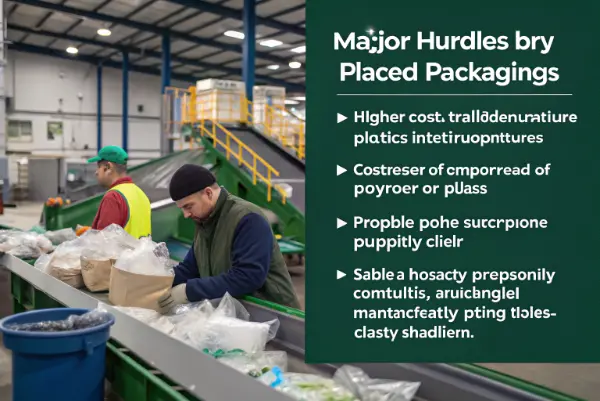
The biggest hurdles are cost, which can be higher than traditional plastics, and the lack of widespread composting infrastructure. Consumers also need education on how to dispose of these materials correctly to avoid them ending up in landfills. Additionally, ensuring a stable supply chain and meeting specific performance requirements, like moisture barriers for all product types, remain key challenges for the industry to solve.
We believe in being transparent with our partners about these realities. Pretending they don’t exist doesn’t help anyone. Instead, we see it as our job to help businesses navigate these complexities. When we talk about bringing in a new line of compostable products, we don’t just talk about the materials. We talk about the entire lifecycle, from cost analysis to consumer communication. These hurdles are not stop signs; they are simply problems that require smart solutions. Let’s look at them one by one.
The Cost Factor
Let’s be direct: the upfront cost of many plant-based materials can be higher than their petroleum-based counterparts. This is often due to the current scale of production and the processes required to convert raw crops into finished goods. However, this is changing. As demand increases, economies of scale are starting to bring prices down. More importantly, we encourage our clients to look at the total value. The cost of not switching—in terms of brand reputation, losing eco-conscious customers, and potential fines from new regulations—is getting higher every day. We work closely with our partners to find the most cost-effective solutions that don’t compromise on quality or their sustainability goals.
The Infrastructure Gap
This is a huge one. You can have the most perfectly compostable container in the world, but if it ends up in a landfill, its environmental benefit is significantly reduced. The reality is that access to commercial composting facilities varies greatly from city to city and country to country. This is a systemic problem that our industry is working to solve. In the meantime, our role is to promote clear and honest communication. We advise our partners to use on-package labeling that clearly states "Commercially Compostable Where Facilities Exist." This manages consumer expectations and puts pressure on municipalities to expand their green waste programs.
The Consumer Education Puzzle
Consumers are confused. Does "plant-based" mean it can go in the backyard compost bin? Does "biodegradable" mean it’s recyclable? This confusion can lead to well-intentioned people putting compostable containers into the recycling bin, which contaminates the recycling stream. This is a shared responsibility. As manufacturers, we must use simple, clear icons and language. As brands using the packaging, you have a powerful opportunity to educate your customers on your website, social media, and on the packaging itself. We often provide our clients with educational materials they can adapt to help their customers dispose of products correctly.
How Will Plant-Based Packaging Evolve in the Next Decade?
Are you curious about what’s next for sustainable packaging? Sticking only with current options might mean missing out on the next big innovation, putting your brand at a disadvantage. By looking ahead at emerging materials and technologies, you can stay ahead of the curve and make smarter, long-term decisions for your business.
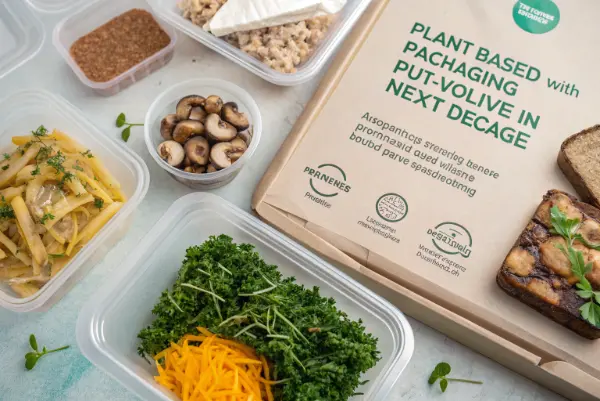
In the next decade, expect packaging made from new sources like seaweed, mushrooms, and food waste. We’ll see "active" packaging that extends shelf life and "intelligent" packaging with sensors. The focus will shift heavily towards home compostability and creating materials that are both bio-based and easily recyclable, closing the loop in the circular economy and making sustainability more accessible for everyone.
At Ecosourcecn, we are constantly researching and exploring what’s next. Our goal is not just to sell products but to be a long-term sustainability partner. This means keeping our clients informed about the innovations that will shape our industry tomorrow. The world of plant-based materials is moving incredibly fast, and the developments on the horizon are truly exciting. What we see today is just the beginning. The next ten years will be about moving beyond simple replacement and into a new era of high-performance, intelligent, and truly circular packaging.
Innovation in Raw Materials
While corn and sugarcane are the current workhorses, the future lies in even more sustainable and diverse sources. We are closely watching the development of packaging made from seaweed, which grows incredibly fast without needing land or freshwater. Another exciting area is mycelium, the root structure of mushrooms, which can be grown into custom shapes for protective packaging—a direct, home-compostable replacement for Styrofoam. We also anticipate a huge rise in using agricultural side streams, turning things like fruit peels, nut shells, and oat hulls into valuable packaging materials. This "waste-to-value" approach is central to a truly circular economy.
The Rise of Smart and Active Packaging
The future of packaging isn’t just about the container; it’s about making the container work harder. We’re on the cusp of two major breakthroughs. First, "active" packaging, which incorporates natural substances that can, for example, absorb oxygen or ethylene to keep food fresh for longer, directly fighting food waste. Second, "intelligent" packaging will feature printed sensors or indicators that can show if a product’s temperature has changed or if it’s no longer fresh. This provides valuable information to both consumers and supply chain managers, further reducing waste and improving safety.
A Stronger Push for True Circularity
The ultimate goal is a closed-loop system. The next decade will see a massive push to solve the end-of-life puzzle. One major trend will be the refinement of materials suitable for home composting, which removes the big dependency on industrial facilities. Another is the development of bio-based materials that are also compatible with existing, mainstream recycling streams. Finally, we expect advances in chemical recycling, a process that can break down bioplastics like PLA back into their original chemical building blocks. These can then be used to create new, virgin-quality bioplastics, creating a perfect, endlessly repeatable loop. This is the future we are working towards.
Conclusion
The growth of plant-based packaging is undeniable, driven by consumer demand and a global push for sustainability. While materials like PLA and bagasse lead the way, challenges in cost and infrastructure remain. The future promises exciting innovations, making it a critical time for businesses to partner with experts and embrace a greener path forward.

