
Are you trying to stand out in the crowded beverage market? Many brands find it hard to build a lasting connection with customers. You know sustainability is important, but turning that into genuine, repeat business feels like a huge challenge. What if the key to unlocking that loyalty was sitting right on the shelf—in your packaging?
Eco-friendly packaging drives customer loyalty by aligning your brand with modern consumer values. When customers see packaging made from recyclable, compostable, or plant-based materials, they view the brand as responsible and ethical. This creates an emotional connection that builds trust and encourages repeat purchases. It turns a simple transaction into a long-term relationship, as consumers feel good about supporting a business that truly cares about the planet.
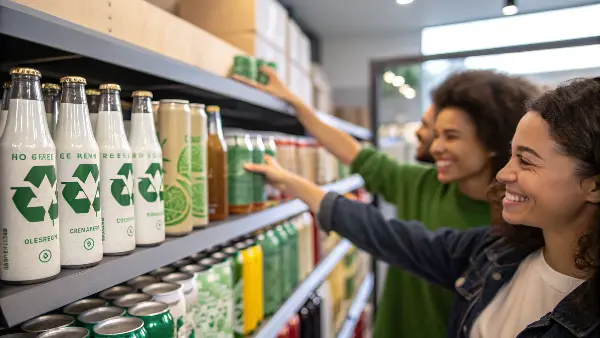
Building that connection is about more than just switching materials. It’s about making smart choices that resonate with your specific audience and then telling that story effectively. So, where do you even begin? Let’s dive into the tangible options first and see what’s making the biggest impact on consumers today.
What specific eco-friendly packaging options are winning over beverage consumers?
You know you need to switch to sustainable packaging, but the options can feel overwhelming. Choosing the wrong material might not meet your product’s needs or, even worse, could fail to connect with your customers. What if you could confidently select packaging that not only performs well but also actively attracts loyal, eco-conscious buyers?
Today’s beverage consumers are drawn to packaging that is both visibly and verifiably sustainable. Options like aluminum cans, which are infinitely recyclable, and recycled glass bottles are trusted favorites. For cold drinks, plant-based PLA cups are a popular choice, while compostable paper cups with PLA linings and FSC-certified cartons are winning in the hot beverage space. These materials clearly signal a commitment to reducing plastic waste, a message that strongly resonates with environmentally aware customers.
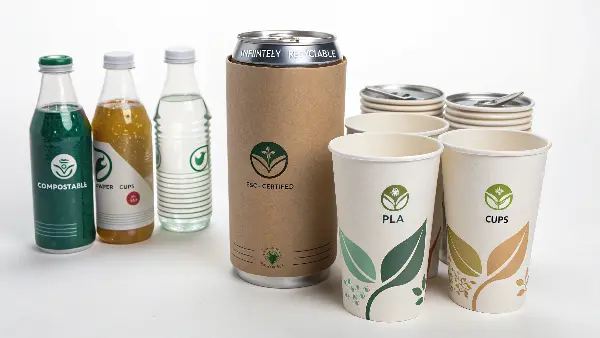
Choosing the right material is a critical first step. It’s a balance between functionality, cost, and the environmental story you want to tell. It’s a decision I help clients like Jacky, a packaging specialist in Canada, make every day. He needs solutions that are not just green but also work with his supply chain and brand image. Let’s break down some of the top contenders.
Material Performance and Perception
Every material sends a different message. Aluminum cans scream "recyclable," while glass bottles often convey a premium, reusable quality. The key is to match the material to both your beverage and your brand’s core values. Plant-based plastics like PLA are fantastic for showing innovation, especially for cold-brew cafes or smoothie bars aiming for a modern, eco-conscious vibe.
A Quick Comparison
To make things clearer, here’s a simple breakdown of the most common options I discuss with my partners:
| Material | Key Consumer Benefit | Best For | Considerations |
|---|---|---|---|
| Aluminum | Infinitely recyclable | Sodas, beers, sparkling water | Energy-intensive production |
| Recycled Glass | Premium feel, reusable | Juices, kombucha, dairy | Heavier, higher shipping cost |
| PLA (Polylactic Acid) | Plant-based, compostable | Cold drinks, cups, lids | Needs industrial composting |
| FSC-Certified Paper | From responsible sources | Cartons, hot cups | Often requires a liner (like PLA) |
Ultimately, the best choice depends on what your customers value most. Is it infinite recyclability, a premium feel, or a plant-based origin story? Answering that question is the foundation of a loyal relationship.
How can brands effectively communicate their sustainability efforts to build trust?
You’ve invested in sustainable packaging, but your customers don’t seem to notice or care. Simply making the switch isn’t enough if your story gets lost in the noise. How do you make sure your green commitment is heard loud and clear, turning your investment into genuine customer trust and loyalty?
To build trust, brands must communicate their sustainability efforts with clarity and transparency. This means using on-pack messaging like "100% Recyclable" or "Compostable," along with recognized certification logos (e.g., FSC, BPI). Beyond the label, sharing the story on your website and social media—explaining why you chose a certain material and its impact—humanizes your brand. This honest and educational approach makes customers feel like partners in your mission.
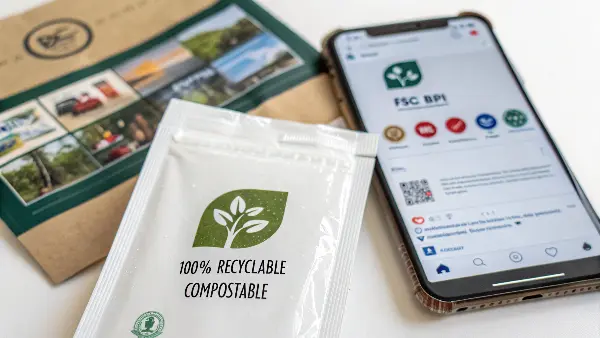
Your packaging is your most direct line of communication with a customer. It’s the first thing they see and touch. But if the message isn’t clear, the opportunity is lost. This is a conversation I have often. A client might choose the perfect PLA-lined paper cup but forget to tell anyone what PLA is or why it’s a better choice. Communication is everything. Your packaging is a mini-billboard, so you have to use that space wisely.
On-Pack Storytelling
Your packaging should tell a story at a glance. Don’t hide your eco-credentials in tiny print.
- Use simple icons: A recycling symbol or a compostable leaf icon is universally understood.
- Use clear language: Phrases like "Made from Plants" or "Plastic-Free" are direct and powerful. Avoid complex jargon that might confuse consumers. I once worked with a client who put the chemical formula for PLA on their cups. We quickly changed that to "Made from corn, commercially compostable." Sales improved almost immediately.
Digital Engagement
Your story shouldn’t end on the package. Use digital channels to go deeper.
- QR Codes: Add a QR code to your packaging that links to a dedicated sustainability page on your website. There, you can explain your journey, showcase your certifications, and provide instructions on how to properly dispose of the packaging.
- Social Media: Share behind-the-scenes content about your sourcing and your partnership with suppliers like us at Ecosourcecn. Showcasing your commitment to ethical sourcing and certified products adds an incredible layer of authenticity that builds a strong, loyal community around your brand.
Are the costs of sustainable packaging worth the long-term customer loyalty?
Moving to eco-friendly packaging often means a higher upfront cost, which can be a tough pill to swallow. You might worry about shrinking your profit margins or having to raise prices. Is the potential for increased customer loyalty really enough to justify the initial investment and make it a smart business decision?
Yes, the initial costs of sustainable packaging are a strategic investment that pays off in long-term customer loyalty. While eco-materials can be more expensive, they attract and retain high-value, conscious consumers who are often willing to pay a premium for sustainable products. This loyalty translates into higher lifetime customer value, positive word-of-mouth marketing, and a stronger brand reputation, which far outweigh the initial outlay.
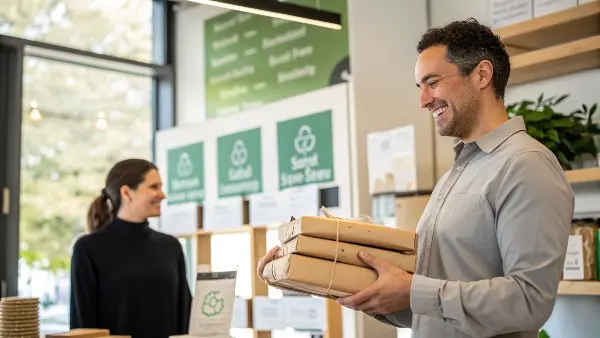
I understand the hesitation around cost. Every business owner, including my clients, has to justify every penny spent. But I encourage them to look at it not as a cost, but as an investment in their brand’s future. I’ve seen firsthand how this plays out. A small coffee chain I partnered with was worried about the price of switching from plastic-lined cups to fully compostable BPI-certified ones. It was a significant cost increase for them.
Shifting from Cost to Value
The key is to reframe the conversation from expense to brand value.
- Attracting the Modern Consumer: Studies consistently show that consumers, especially Millennials and Gen Z, actively choose brands that align with their values. They are not just buying a drink; they are buying into a mission. This demographic is willing to spend more on products that are good for the planet. Your sustainable packaging becomes a powerful marketing tool.
- Building a Resilient Brand: In a world with increasing regulations against single-use plastics, early adoption of sustainable alternatives positions your brand as a forward-thinking leader. This builds resilience against future policy changes and protects your brand image from negative press associated with plastic pollution.
The coffee chain I mentioned? After they switched, they ran a small campaign explaining the move. Their customers praised them online, local blogs wrote about them, and they saw a noticeable increase in new customers who said they came specifically because of their environmental commitment. Within a year, the increase in sales and customer retention had more than covered the initial packaging investment. That’s the power of investing in loyalty.
Conclusion
In the end, eco-friendly packaging is much more than a container for your beverage. It’s a powerful tool for building a meaningful connection with your customers. By choosing the right materials, communicating your efforts clearly, and understanding its value as an investment, you can foster a deep sense of loyalty that keeps customers coming back again and again.

