
Sourcing green packaging feels like a minefield sometimes. You want to ditch plastic, but finding a factory that delivers quality without greenwashing is stressful. One wrong choice can lead to leaking cups, angry customers, and wasted money. I will show you exactly how to find a partner who values sustainability as much as you do.
To find reliable suppliers in China, you must prioritize factories that hold verified certifications like BPI, EN13432, and FDA compliance. Always request material samples to test durability and heat resistance personally. Look for suppliers who offer transparent supply chains and have experience exporting to your specific market, as they will understand your local regulations and logistics requirements.
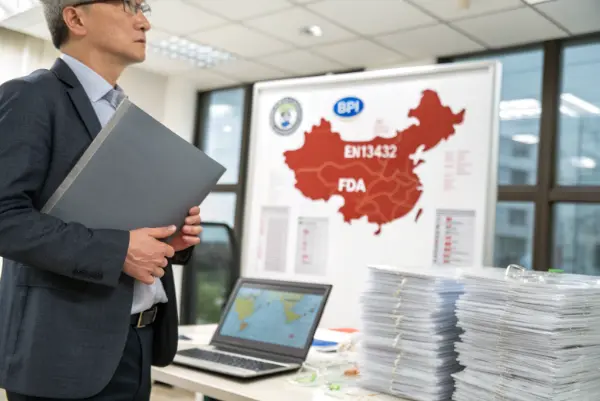
I have spent years in this industry, and I have seen many buyers make the same mistakes. They focus only on the price and forget about the consistency of the product. This guide will walk you through the essential steps I use to vet suppliers. We will cover materials, certifications, remote verification, and customization. By the end of this post, you will feel confident in making your next purchase decision.
What are the best materials for eco-friendly beverage packaging?
You are likely confused by the sheer number of "green" materials available today. If you pick the wrong material for your drink, the cup might melt or collapse. This ruins the customer experience and hurts your brand image immediately.
The best materials for sustainable beverage packaging are PLA (Polylactic Acid) for cold drinks, Bagasse (sugarcane fiber) for lids and carriers, and FSC-certified paper with aqueous coatings for hot cups. These materials are biodegradable or compostable and offer distinct performance benefits depending on the temperature of the liquid.
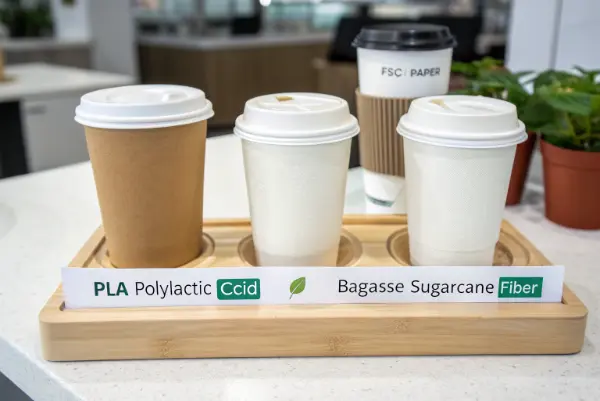
When I help clients at Ecosourcecn, we always start with the application. You cannot use the same cup for an iced latte and a hot tea. Understanding the properties of these materials is the first step to finding a good supplier. A reliable supplier will ask you what you are serving before they sell you a product.
Understanding Material Limitations
You need to know the temperature limits. PLA is fantastic because it looks like clear plastic, but it is made from cornstarch. However, standard PLA deforms at temperatures above 40°C (105°F). I once had a client who bought standard PLA cups for warm cider, and the cups warped instantly. For hot drinks, you need CPLA (Crystallized PLA) or paper cups lined with a compostable coating.
Bagasse and Paper Options
Bagasse is made from sugarcane pulp. It is great for cup carriers and some lids because it is sturdy and handles heat well. Paper cups are classic, but you must check the lining. Traditional paper cups use a PE (plastic) lining. You want a PLA lining or a water-based coating to ensure it is fully compostable.
Here is a breakdown of common materials we source:
| Material | Best Use Case | Temperature Limit | Compostability |
|---|---|---|---|
| PLA | Cold drinks, smoothies, iced coffee | < 40°C (104°F) | Industrial Compostable |
| CPLA | Coffee cup lids, cutlery | ~ 85°C (185°F) | Industrial Compostable |
| Bagasse | Cup carriers, food bowls, lids | ~ 100°C (212°F) | Home & Industrial Compostable |
| FSC Paper (PLA Lined) | Hot coffee, tea cups | ~ 100°C (212°F) | Industrial Compostable |
When you talk to suppliers, ask them about the source of their pulp. Is it FSC certified? This ensures the wood comes from responsibly managed forests. If a supplier cannot tell you where their raw material comes from, that is a red flag. You need a partner who understands these technical differences and can guide you to the right choice for your menu.
How do you verify certifications and compliance?
Certificates are your only protection against fake eco-products. Many factories claim their products are "biodegradable," but that word is often meaningless in a legal sense. Without the right paperwork, your goods could get stuck at customs, or you could face fines.
You must verify that your supplier holds valid certifications such as ASTM D6400 (for the US), EN13432 (for Europe), and BPI or OK Compost Home. Do not just accept a PDF file; check the certificate number on the certifying body’s official website to ensure it is authentic and currently valid.
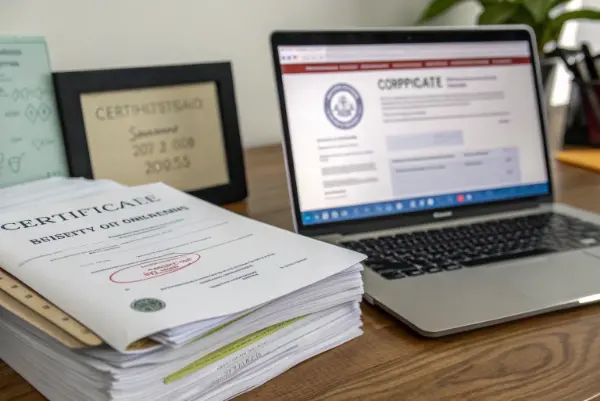
I cannot stress this enough: trust but verify. In my early days, I saw suppliers photoshop dates on old certificates. Now, at Ecosourcecn, we have a strict vetting process. We ensure every document is legitimate because we know our clients in North America and Europe rely on these for their own compliance.
The Difference Between Standards
You need to know which standard applies to your country. If you are in the US, you look for ASTM D6400. If you are in Europe, you need EN13432. These standards test for heavy metals, disintegration, and ecotoxicity. A reliable supplier will have these reports ready for you.
Third-Party Verification
Beyond the standard test reports, look for third-party labels. These are easier for your customers to recognize.
- BPI (Biodegradable Products Institute): This is the gold standard for North America.
- TÜV Austria (OK Compost): This is widely recognized in Europe. They have different grades for "Industrial" and "Home" composting.
- FDA / LFGB: These are food safety standards. The material might be green, but it must also be safe to touch food.
How to Check Validity
When a supplier sends you a certificate, look for the license code. Go to the BPI or TÜV website and type that code in. It should match the supplier’s company name. Sometimes, a trading company will use a factory’s certificate. This is acceptable, but you should ask them to confirm the relationship. If they refuse or make excuses, move on. Transparency is key in sustainable sourcing.
Here is a simple checklist for document verification:
- Scope: Does the certificate cover the specific product (e.g., "PLA Cup") or just the raw material?
- Expiration: Is the date current?
- Owner: Does the company name match the invoice?
- Testing Standard: Is it testing for compostability or just "degradability"?
Why is factory verification essential before you place an order?
Visiting China is not always possible for every buyer. However, sending money to a factory you have never seen is a huge risk. You need to know if the facility is clean, ethical, and capable of producing your order on time.
Factory verification is essential to ensure the supplier has real manufacturing capabilities and fair labor practices. You can verify them remotely by requesting a live video tour, hiring a third-party inspection agency like SGS or Intertek, and asking for detailed photos of their production equipment and warehouse.
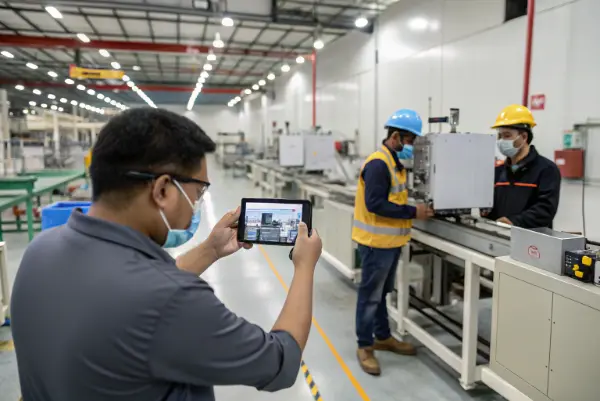
I have handled many projects where the "factory" turned out to be a small office with no machines. They were just middlemen adding a markup. While some trading companies are good, you deserve to know who is making your goods. At Ecosourcecn, we are transparent about our role and our production partners.
The Power of Video Calls
Technology makes this easier today. I recommend scheduling a live video call via Zoom or WeChat. Do not settle for a pre-recorded video. Ask them to walk you through the production line.
- Ask to see the raw material storage.
- Ask to see the printing machines.
- Ask to meet the Quality Control (QC) manager.
If they hesitate to show you the floor, they might be hiding something. A real manufacturer is proud of their facility.
Third-Party Inspections
If your order is large, spend the money on a professional audit. Companies like SGS, Bureau Veritas, or Intertek can send an inspector to the factory for a few hundred dollars. They will check:
- Production Capacity: Can they actually make 100,000 cups in a week?
- Social Compliance: Are workers treated fairly? Look for SA8000 or BSCI audits.
- Quality Systems: Do they check the products during production, or only at the end?
Red Flags to Watch For
During your verification process, watch for inconsistencies.
- Address mismatch: Does the factory address on the license match the location on Google Maps?
- Generic photos: Are the photos on their website stock images or real photos?
- Lack of knowledge: Does the sales rep know the technical details of the machinery?
When I source for clients, I look for partners who invest in modern equipment. Sustainable materials like PLA require precise temperature control during extrusion. Old machines often cause defects. Verifying the machinery ensures you get a consistent product.
How do customization and branding impact your costs?
You want your brand to stand out. A plain white cup is fine, but a branded cup tells a story. However, printing on sustainable materials is different from printing on plastic, and it affects your price and minimum order quantity (MOQ).
Customization impacts costs through printing plate fees, higher Minimum Order Quantities (MOQs), and the type of ink used. Sustainable packaging requires soy-based or water-based inks, which can be slightly more expensive but are necessary to maintain the compostability of the final product.
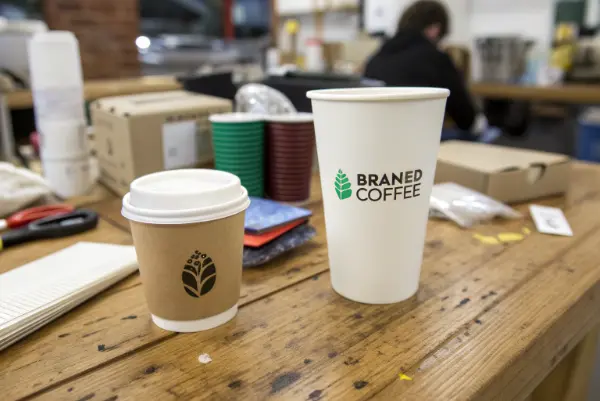
I often work with Jacky and other buyers who want their logo on everything. This is a smart move for marketing. But you need to balance the design with the technical constraints of eco-materials.
Understanding Printing Techniques
For beverage packaging, we usually use Flexographic (Flexo) or Offset printing.
- Flexo: Good for simple logos and high volume. It is cheaper per unit but requires making a printing plate.
- Offset: Better for high-quality, complex images.
On eco-friendly cups, we must use eco-friendly ink. Standard petroleum inks contain chemicals that can contaminate the compost pile. Ensure your supplier uses water-based or soy-based inks. These inks are safe and have no strong smell.
The Reality of MOQs
Customization raises the MOQ. For a plain stock cup, you might be able to buy 5,000 pieces. For a custom printed cup, the factory usually requires 30,000 or 50,000 pieces.
- Why? Setting up the machine takes time. They have to mix the ink, align the plates, and run tests. It is not profitable for them to do this for a small order.
- Plate Fees: You will pay a one-time fee for the printing plate. This usually costs between $100 and $300 per color. If your logo has 4 colors, that is 4 plates.
Design Tips for Eco-Materials
Printing on kraft paper or bagasse is not like printing on white paper. The background color affects the result.
- Kraft Paper: Colors will look darker and more muted. Avoid yellow or light pastel colors; they will vanish. Dark green, black, and navy blue look great.
- PLA: Since it is clear, you can print vibrant colors. But keep the design simple to show off the drink inside.
- Embossing: For bagasse, consider embossing your logo instead of printing. It adds texture and costs less in ink, though the mold fee is higher initially.
I advise my clients to start with a 1-color or 2-color logo to keep costs down. As your volume grows, you can move to more complex designs. A reliable supplier will send you a digital mock-up (die-line) before they start production. Always check this carefully.
Conclusion
Finding a reliable supplier for sustainable beverage packaging in China requires patience and attention to detail. You must choose the right materials like PLA or bagasse, verify certifications like BPI, conduct remote factory audits, and understand the nuances of custom printing. By following these steps, you secure a supply chain that protects both the planet and your business reputation.

