
Struggling to find eco-friendly packaging that holds up to the demands of bubble tea? You want to ditch plastic, but you’re worried about performance, durability, and customer perception. The search for a sustainable solution that doesn’t compromise on quality can feel overwhelming, leaving your brand’s green commitment in limbo.
Yes, PLA (Polylactic Acid) cups and lids are an excellent choice for bubble tea businesses looking for a sustainable alternative to traditional plastic. Made from renewable resources like corn starch, they are commercially compostable and offer the same clarity and durability as PET cups. This allows you to showcase your colorful drinks while significantly reducing your environmental footprint. PLA is ideal for cold beverages like bubble tea, providing a high-quality, eco-conscious option for your customers.
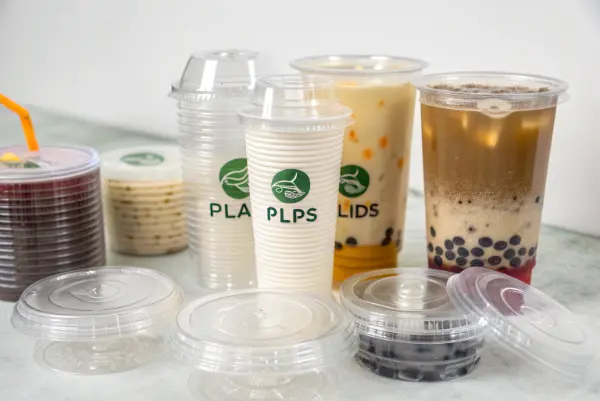
Making the switch to sustainable packaging is more than just a trend; it’s a statement about your brand’s values. Customers, especially those who love bubble tea, are increasingly aware of their environmental impact and actively support businesses that share their commitment. Choosing the right material is a critical step, but it’s just the beginning. To truly succeed, you need to understand the material’s properties, its benefits, and its limitations. Let’s explore everything you need to know about integrating PLA into your operations.
Why is PLA an Ideal Material for Bubble Tea Shops?
Your bubble tea shop is thriving, but you see the mountain of plastic cups used daily and feel a pang of guilt. You want a greener alternative, but you can’t afford flimsy, leaky cups that ruin the customer experience. Finding a material that is both eco-friendly and strong enough for your signature drinks is a major challenge.
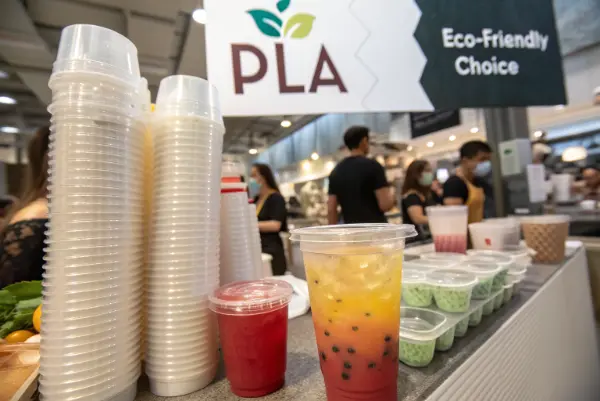
PLA is perfect for bubble tea because it combines environmental benefits with practical performance. It offers crystal-clear transparency to show off your vibrant creations, just like traditional PET plastic. It’s also sturdy enough to handle wide straws and sealing films. Crucially, its compostability aligns with the values of eco-conscious consumers, helping you build a stronger, more responsible brand identity. It’s the best of both worlds: sustainability and functionality.
Deeper Dive into PLA’s Advantages
As someone who has helped countless businesses like yours make the switch, I’ve seen firsthand how PLA can transform a brand’s packaging strategy. The benefits go beyond just being "green." Let’s break down exactly why it’s such a great fit for a fast-paced environment like a bubble tea shop.
Material Performance and Aesthetics
The first thing your customers notice is the cup itself. They want to see the vibrant colors of the tea, the tapioca pearls, and the layers of milk foam.
- Clarity: PLA offers exceptional transparency, rivalling that of petroleum-based PET. Your drinks will look just as appealing, ensuring your Instagram-worthy creations continue to draw in customers.
- Strength and Rigidity: A common concern is whether a plant-based plastic can be strong. PLA is surprisingly rigid and durable. It won’t easily crack or deform, even when customers grip it tightly. It also works perfectly with automated cup-sealing machines, which require a sturdy rim to create a tight, leak-proof seal.
Environmental and Brand Benefits
This is where PLA truly shines. It’s not just about looking good; it’s about doing good.
- Renewable Source: PLA is made from fermented plant starch, usually from corn. Unlike traditional plastics made from finite fossil fuels, its source is renewable. This is a powerful story to tell your customers.
- Lower Carbon Footprint: The production process for PLA is estimated to generate up to 75% fewer greenhouse gas emissions than the production of PET. This is a significant step towards reducing your business’s overall carbon footprint.
- Compostability: When disposed of correctly in an industrial composting facility, PLA will break down into organic matter, water, and CO2 within months. I always tell my clients, like Jacky from a Canadian eco-brand, that this is the key message. You’re not just offering a disposable cup; you’re offering one that can return to the earth.
I once worked with a bubble tea chain that was hesitant to switch. They worried about costs and performance. After a trial run, they found that not only did the PLA cups perform flawlessly, but their customers actively praised them for the change. Their social media engagement soared, and they attracted a new segment of environmentally-conscious patrons. It became a core part of their brand identity.
PLA vs. PET: Which Plastic is Better for Your Cups?
You’re committed to sustainable packaging, but the options are confusing. PET cups are familiar, cheap, and reliable, while PLA cups are marketed as the green alternative. You’re stuck trying to decide which material truly aligns with your brand’s values without hurting your bottom line or operational efficiency. The choice feels like a trade-off you can’t afford to get wrong.
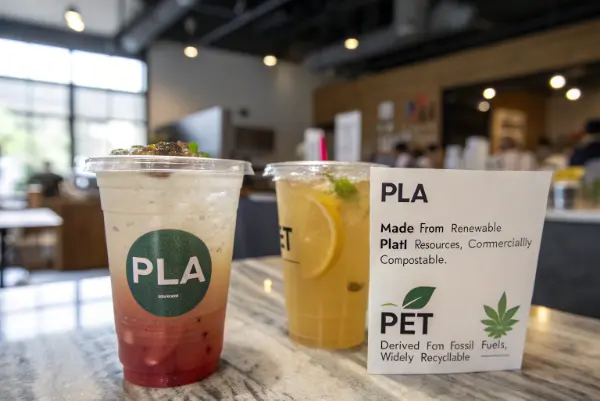
For cold drinks like bubble tea, PLA is the superior choice for sustainability, while PET is known for its versatility and lower upfront cost. PLA is made from renewable plant resources and is commercially compostable. PET is derived from fossil fuels and is widely recyclable but not biodegradable. While PET can handle both hot and cold liquids, PLA is strictly for cold use, making it a perfect, targeted solution for the bubble tea market.
Deeper Dive into the Material Showdown
Choosing between PLA and PET isn’t just a technical decision; it’s a strategic one. As a packaging specialist, Jacky would analyze this from every angle—cost, performance, compliance, and brand message. I’ve guided many clients through this exact decision, and the best choice always comes down to balancing priorities. Let’s lay out the differences in a clear, structured way.
Head-to-Head Comparison
To make this simple, I’ve created a table that breaks down the key attributes of each material. This is the kind of analysis we do at Ecosourcecn to help our partners make informed choices.
| Feature | PLA (Polylactic Acid) | PET (Polyethylene Terephthalate) |
|---|---|---|
| Source Material | Renewable (corn starch, sugarcane) | Non-renewable (fossil fuels) |
| Transparency | Excellent, very high clarity | Excellent, very high clarity |
| Durability | Strong and rigid, but can be brittle | Very strong, shatter-resistant |
| Heat Resistance | Low (below 110°F / 43°C) | High (can handle warm liquids) |
| Best Use Case | Cold drinks only (bubble tea, iced coffee) | Cold and warm drinks, food containers |
| End-of-Life | Commercially compostable | Widely recyclable |
| Carbon Footprint | Lower production emissions | Higher production emissions |
| Cost | Generally slightly higher than PET | Lower, very cost-effective |
Critical Considerations for Your Business
-
End-of-Life Reality: This is the most important factor. While PET is recyclable, recycling rates are often low, and much of it still ends up in landfills or oceans. PLA’s advantage is its compostability, but this requires access to industrial composting facilities. Before you switch, I always advise checking the availability of these facilities in your key markets. Educating your customers on how to dispose of the cups is crucial for the environmental benefit to be realized.
-
Temperature Limitations: PLA is not suitable for hot drinks. Its low melting point means it will warp and deform if filled with hot tea or coffee. For a bubble tea business that primarily sells cold or iced beverages, this is not an issue. However, if you offer a significant range of hot drinks, you would need a separate solution, like double-wall paper cups.
-
Brand Messaging: Choosing PLA sends a powerful message. It says your brand is forward-thinking and committed to reducing its reliance on fossil fuels. For many modern consumers, this is a compelling reason to choose your shop over a competitor. PET, while practical, doesn’t offer this same branding advantage. It’s the status quo, not a statement of progress.
Ultimately, the choice for a bubble tea business is clear for me. Given that the core product is cold, PLA’s benefits far outweigh its single limitation. It aligns your operations with a powerful story of sustainability that resonates deeply with your target audience.
How Do You Navigate Branding and Customization on PLA Cups?
You’ve decided on PLA cups, but now you face a new hurdle: branding. You need your logo to be sharp and vibrant, but you’re worried that the printing process on a new material might be complicated or expensive. A plain, unbranded cup feels like a missed marketing opportunity, but a poorly printed one could damage your brand’s reputation.
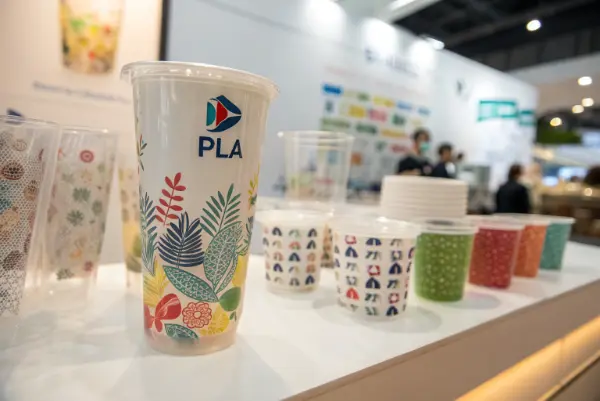
Branding and customization on PLA cups are straightforward and highly effective. Most suppliers offer high-resolution printing using soy-based or water-based inks, which maintains the eco-friendly integrity of the product. You can print logos, patterns, and promotional messages in multiple colors. This turns your compostable cup into a powerful marketing tool that communicates both your brand identity and your commitment to sustainability, directly into your customers’ hands.
Deeper Dive into Making Your Mark
A cup is more than just a container; it’s a walking advertisement for your business. When I work with clients on private label solutions, we focus on turning their packaging into a core part of their marketing strategy. Customizing PLA is a fantastic way to do this, and it’s less complex than you might think. Let’s break down the process and the options available.
Understanding the Printing Process
The technology for printing on PLA is well-established. The most common method used is offset printing, which allows for precise, multi-color designs.
- Ink Choices: To keep the product as green as possible, we always recommend using eco-friendly inks. Soy-based or water-based inks are the standard for PLA printing. They produce vibrant colors but are free from the heavy metals and volatile organic compounds (VOCs) found in traditional solvent-based inks. This ensures the entire cup remains non-toxic and compostable.
- Design Limitations: The printable area on a tapered cup has some geometric constraints. Your design will need to be slightly warped in the template to appear straight on the finished product. A good supplier, like us at Ecosourcecn, will provide you with a detailed design template and support you in adapting your artwork perfectly. We’ve helped hundreds of brands get this right.
Key Customization Options
Beyond just a logo, there are several ways to make your PLA cups unique.
| Customization Feature | Description | Why It Matters for Bubble Tea |
|---|---|---|
| Logo & Color Printing | Print your brand logo in up to 6-8 colors. Full-wrap designs are also possible. | Builds immediate brand recognition. A colorful design complements your vibrant drinks. |
| Custom Lids | Lids can also be customized, often with an embossed logo or a specific color. | Creates a complete, premium packaging experience from top to bottom. |
| Promotional Messaging | Use the cup space for QR codes, social media handles, or loyalty program info. | Turns each cup into an interactive marketing tool, driving customer engagement. |
| Educational Icons | Add icons indicating the cup is "Compostable," "Plant-Based," or "Made from PLA." | Educates the customer and reinforces your brand’s eco-friendly credentials at the point of disposal. |
A client of mine, a startup bubble tea franchise, wanted to make a big impact in a crowded market. We designed a full-wrap cup with a playful, colorful pattern that incorporated their logo and a small QR code. Scanning the code led customers to a webpage explaining their sustainability mission and how to properly compost the cup. This small addition dramatically increased their social media mentions and helped them build a loyal community around their brand values. It showed that customization isn’t just about aesthetics; it’s about telling your story.
What Certifications Should You Look for in PLA Products?
You’re ready to place an order for PLA cups, but you’re bombarded with acronyms: BPI, EN13432, ASTM D6400. You know these certifications are important, but you don’t know what they mean. Choosing an uncertified product could lead to greenwashing accusations, while picking the wrong certification for your region could render your eco-friendly claims invalid.
When sourcing PLA products, you must look for certifications that validate their compostability claims. The key certifications are BPI (Biodegradable Products Institute) for North America and EN13432 for Europe. These guarantee the product will break down in a commercial composting facility within a specific timeframe without leaving harmful residues. For food safety, ensure products are also certified by the FDA (U.S. Food and Drug Administration) or LFGB (for Germany/EU).
Deeper Dive into the Alphabet Soup of Compliance
Navigating international standards is a core part of my job at Ecosourcecn. For a buyer like Jacky in Canada, understanding these certifications is non-negotiable. They are the proof behind the promise of sustainability. A supplier who can’t provide these documents is a major red flag. Let’s demystify the most important certifications so you know exactly what to ask for.
The Gold Standards of Compostability
These certifications are about performance at the end of the product’s life. They are scientific standards that prove a material is truly compostable under specific conditions.
-
BPI (Biodegradable Products Institute): This is the leading authority in North America. BPI certification means a product has been tested according to the ASTM D6400 standard. To be certified, a product must:
- Disintegrate: Break down into small fragments so that after 12 weeks, less than 10% of the original material remains on a 2mm screen.
- Biodegrade: Convert at least 90% of its carbon into CO2 within 180 days.
- Be Safe: Leave behind no toxic residues that could harm plant growth.
For any business in the US or Canada, the BPI logo is the most recognized symbol of compostability.
-
EN13432 (European Standard): This is the European equivalent of ASTM D6400. The requirements are very similar, covering disintegration, biodegradation, and eco-toxicity. If you operate in or export to Europe, this certification is mandatory for making any compostability claims.
Ensuring Food Safety
Just because a cup is compostable doesn’t automatically mean it’s safe for contact with food. You need separate certifications for this.
- FDA (U.S. Food and Drug Administration): The FDA regulates food contact materials in the United States. Any PLA cup sold in the US must be made from materials that are FDA-compliant, ensuring no harmful chemicals can leach into the beverage.
- LFGB (Lebensmittel-, Bedarfsgegenstände- und Futtermittelgesetzbuch): This is the German Food and Feed Code, but its standards are so high that they are often adopted as a benchmark across the EU. LFGB certification is a sign of superior quality and safety.
I once had a client who was about to sign a large deal with a new supplier because their price was incredibly low. I asked them to request the BPI certification documents for the products. The supplier stalled, then sent a fake certificate. We checked the BPI database and found no record of them. That low price came at the cost of legitimacy. This is why working with a transparent, trusted partner who provides all necessary documentation upfront is critical. It protects your business, your customers, and your reputation.
Conclusion
Making the switch to PLA cups and lids is a smart, strategic move for any bubble tea business. It aligns your brand with the growing demand for sustainability, enhances your marketing, and provides a high-quality experience for your customers without compromising on performance for cold drinks. By understanding the material, navigating customization, and demanding the right certifications, you can confidently reduce your environmental impact and build a stronger, more responsible brand.
