
Are you struggling to make your eco-friendly beverage packaging look unique and professional? You’ve switched to sustainable materials, but now your cups and containers look just like everyone else’s. This makes it hard for your brand to get noticed on a crowded shelf. Customization is the key to making your packaging truly yours, helping you attract customers and tell your brand’s story.
The best way to customize eco-friendly beverage packaging is by using a combination of sustainable printing, textural enhancements like embossing, and unique structural designs. You can choose from printing methods like flexography or digital printing using soy-based or water-based inks. Techniques like embossing add a premium feel without using any ink. Balancing these branding options with the natural properties of materials like PLA, bagasse, or kraft paper ensures your final product is both beautiful and truly sustainable.
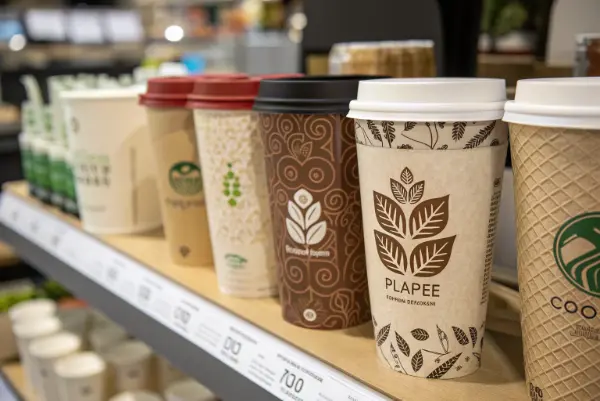
When I first started helping clients switch to eco-friendly packaging, many worried they would lose their brand identity. They imagined plain, brown containers that did nothing to excite their customers. But that couldn’t be further from the truth. The world of sustainable packaging has evolved, and the customization options today are incredible. You can create a powerful brand statement that is both visually stunning and kind to the planet. Let’s explore how you can turn your green packaging into a powerful marketing tool.
What Printing Methods Work Best on Eco-Friendly Materials?
You’ve chosen the perfect sustainable material for your cups, but now you need to get your logo on it. You worry that printing on a textured surface like kraft paper or bagasse will result in a blurry, unprofessional look. This can undermine your brand’s quality image, making your investment in green packaging feel like a step backward. The right printing method is crucial to achieve a sharp, vibrant design.
For eco-friendly materials, flexography and digital printing are the two most effective methods. Flexography is ideal for large orders, offering cost-effective and high-quality results with sustainable ink options. Digital printing is perfect for smaller batches or complex, multi-colored designs, providing excellent detail and flexibility. Both methods are adaptable to the unique textures and absorption rates of materials like PLA, paper, and bagasse, ensuring your branding looks crisp and clean.
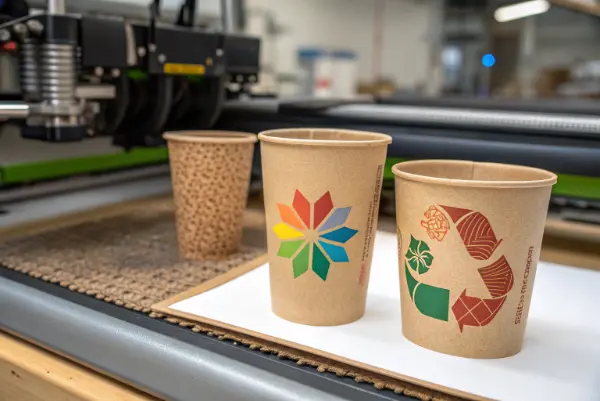
Choosing the right printing technique is about balancing quality, cost, and the specific material you’re using. I often work with clients like Jacky, a packaging specialist who needs to ensure his brand’s logo is perfect on every single item. We usually break down the options to find the best fit for his production scale and design complexity. Understanding these methods helps you make an informed decision that aligns with your brand’s goals and budget.
Flexography: The Go-To for Volume
Flexography, or "flexo," is a modern version of letterpress printing. It uses flexible photopolymer printing plates wrapped around rotating cylinders. This method is incredibly efficient for large-scale production runs.
- How it Works: Ink is transferred from an ink roll to the plate, and then the plate stamps the design directly onto the packaging material as it passes through the press.
- Best For: Simple, one or two-color designs on high-volume orders. Think of the classic coffee cup logo. It’s fast, reliable, and becomes very cheap per unit on large runs.
- Material Compatibility: It works exceptionally well on paper, kraft board, and even some smoother PLA surfaces. The flexible plates conform well to slightly uneven surfaces, which is great for materials like recycled paper.
Digital Printing: Precision for Complex Designs
Digital printing works much like your office inkjet printer but on a massive, industrial scale. It applies ink directly to the packaging surface without the need for plates.
- How it Works: A digital file of the artwork is sent directly to the printer, which then applies the ink with pinpoint accuracy.
- Best For: Short runs, custom orders, or designs with many colors and intricate details, like photographic images. If you’re a cafe wanting to print a limited-edition holiday cup, digital is your answer.
- Material Compatibility: Digital printing is very versatile. It produces sharp images on smooth surfaces like PLA and coated paper. It can also be calibrated to handle the more porous nature of bagasse or uncoated paper, though testing is key.
Comparing Printing Methods
| Feature | Flexography | Digital Printing |
|---|---|---|
| Best For | Large volume, simple designs | Small-to-medium runs, complex designs |
| Setup Cost | High (for plates) | Low (no plates needed) |
| Per-Unit Cost | Low for large runs | Higher, but consistent |
| Color Complexity | Limited, each color needs a plate | Virtually unlimited colors |
| Turnaround Time | Longer due to plate creation | Faster, direct from digital file |
| Material Versatility | Excellent on paper and board | Good on most materials, best on smooth |
Ultimately, the choice depends on your specific needs. For a national chain ordering millions of cups, flexography is the clear winner for cost. For a local coffee shop’s seasonal promotion, digital offers the flexibility and quality they need without a huge upfront investment.
Are There Sustainable Ink and Coating Options Available?
It feels counterproductive to source amazing biodegradable cups only to cover them in toxic, petroleum-based inks. You want your entire package to be eco-friendly, but you’re unsure if green inks can deliver the same vibrant colors. This conflict can stall your design process and compromise your brand’s commitment to sustainability. Luckily, eco-friendly inks and coatings are now widely available and highly effective.
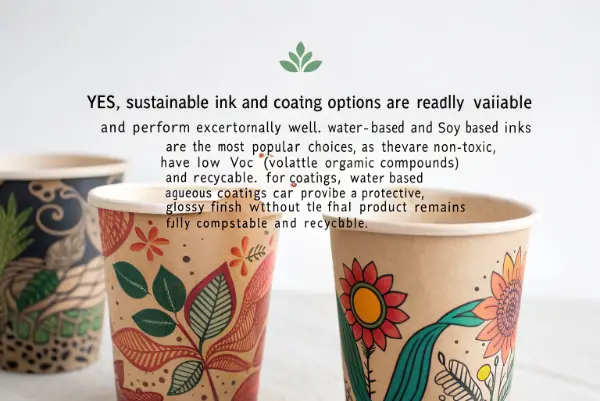
Yes, sustainable ink and coating options are readily available and perform exceptionally well. Water-based and soy-based inks are the most popular choices, as they are non-toxic, have low VOCs (Volatile Organic Compounds), and are derived from renewable resources. For coatings, water-based aqueous coatings can provide a protective, glossy finish without the plastic components found in traditional varnishes, ensuring the final product remains fully compostable and recyclable.
I remember a client who was adamant that every single component of their packaging had to meet EN13432 compostability standards. They were worried that the ink would be the one thing that failed the test. We worked together to source certified compostable, water-based inks. The final product not only passed certification with flying colors but also had a beautiful, rich print quality. This experience proved to me that you never have to sacrifice your eco-credentials for a great-looking design. Let’s look at the specific options that make this possible.
Eco-Friendly Inks: Soy vs. Water-Based
The two main players in the sustainable ink world are soy-based and water-based inks. Both offer significant environmental advantages over traditional solvent-based inks.
- Soy-Based Inks: These inks use soybean oil as their base instead of petroleum. They are fantastic for printing on paper and cardboard because the oil helps carry the pigment deep into the fibers, producing vibrant, rich colors. They have naturally low levels of VOCs, which means better air quality in the print facility and less environmental pollution. They are also easier to de-ink during the recycling process, making the paper easier to reclaim.
- Water-Based Inks: As the name suggests, these inks use water as the main solvent to carry the color pigment. They are incredibly safe, non-toxic, and contain almost zero VOCs, making them an excellent choice for food and beverage packaging. They dry quickly through evaporation, which can speed up the printing process. They adhere well to a wide range of materials, including PLA and coated paper, making them extremely versatile.
Protective Coatings That Stay Green
What about the finish? Many cups have a slight sheen or a protective layer. Traditionally, this was achieved with petroleum-based UV coatings or plastic laminates, which render a paper cup non-recyclable. The sustainable alternative is an aqueous coating.
- Aqueous Coatings: These are clear, water-based coatings that can be applied over the printed ink during the printing process. They dry quickly and provide a protective layer that resists scuffs and fingerprints. You can get them in different finishes, from matte to satin to high gloss. Most importantly, an aqueous coating does not interfere with the recyclability or compostability of the paper product, making it the perfect finishing touch for eco-conscious brands.
Making the Right Choice for Your Brand
When selecting your inks and coatings, consider the entire lifecycle of your product.
| Component | Key Benefit | Ideal For | Environmental Impact |
|---|---|---|---|
| Soy-Based Ink | Vibrant colors, easy to de-ink | Uncoated paper, kraft board | Low VOCs, renewable resource |
| Water-Based Ink | Non-toxic, fast-drying | Food packaging, PLA, coated paper | Very low to zero VOCs, safe |
| Aqueous Coating | Protective finish, recyclable | All paper-based packaging | Water-based, no harmful solvents |
By choosing these options, you ensure that your beautiful branding doesn’t become an environmental liability. It completes your sustainable mission, showing customers that you’ve thought about every last detail.
How Can Embossing and Debossing Elevate Your Brand’s Feel?
Your printed design looks great, but you want to offer customers a more tactile and premium experience. You’ve seen luxury packaging use textured effects, but you assume it’s too expensive or complicated for disposable beverage cups. This can leave your packaging feeling flat and generic, missing an opportunity to connect with customers on a sensory level. Embossing and debossing are simple, effective ways to add that touch of class.
Embossing (raising a design) and debossing (imprinting a design) add a sophisticated, three-dimensional texture to your packaging without using any ink. This technique creates a premium tactile experience, making your brand feel more valuable and memorable. It works especially well for logos or patterns on paper cup sleeves, carriers, or thicker paperboard containers. It’s a subtle but powerful way to communicate quality and attention to detail, reinforcing your brand’s premium positioning.
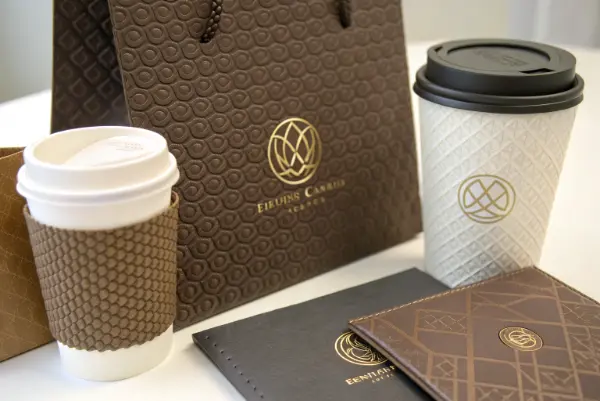
One of my clients, a high-end organic coffee brand, wanted their packaging to reflect the quality of the beans inside. We decided to deboss their elegant leaf logo onto the kraft paper sleeves for their compostable cups. The effect was stunning. Customers loved running their fingers over the design. This small, ink-free detail instantly elevated their brand perception and created a memorable physical connection with the product. It’s a perfect example of how texture can say more than color ever could.
Understanding the Process: Embossing vs. Debossing
While they create opposite effects, the process for both is similar. It involves using a custom metal die and a counter-die to reshape the paper fibers.
- Embossing: The paper is pressed between the two dies, forcing the design to rise up from the surface. The result is a raised pattern that you can see and feel. It catches the light beautifully and adds a sense of dimension.
- Debossing: The process is reversed. The design is pressed down into the material, creating an indentation or depression. This creates a more subtle, elegant, and handcrafted look.
You can use these techniques on their own for a minimalist "blind emboss" or combine them with printing. For instance, you could print your logo in color and then emboss it to make it literally stand out.
Why Texture Matters in Branding
In a world of busy visual designs, touch is a powerful and often overlooked sense. Adding texture to your packaging does several important things for your brand.
- It Communicates Quality: A textured surface feels more expensive and carefully crafted. It signals to the customer that you have invested in the details, which implies the product inside is also of high quality.
- It Increases Memorability: People are more likely to remember something they can feel. The physical sensation of an embossed logo creates a stronger neural pathway than just seeing a printed one, making your brand harder to forget.
- It Enhances the User Experience: The simple act of holding the cup becomes a more pleasant and engaging experience. This small moment of delight can build positive associations with your brand.
Practical Applications for Beverage Packaging
| Technique | Best Use Case | Material Suitability | Branding Message |
|---|---|---|---|
| Embossing | Logos on cup sleeves, bold patterns | Thicker paper, kraft board, cardstock | Premium, confident, modern |
| Debossing | Intricate logos, subtle patterns, text | Kraft paper, uncoated paperboard | Elegant, classic, handcrafted |
| Blind Emboss/Deboss | Minimalist, sophisticated branding | Natural or colored paper stock | Understated luxury, eco-focus |
Embossing and debossing are especially effective on eco-friendly materials because they highlight the natural texture of the paper. A blind deboss on a kraft paper sleeve, for example, is the epitome of sustainable elegance. It’s a fantastic way to build a premium brand identity while staying true to your environmental values.
How Do You Balance Branding Goals with Material Constraints?
You have a bold, colorful design in mind for your new eco-friendly cups. But you’re worried that the natural color or texture of materials like bagasse or kraft paper will interfere with your brand’s specific color palette. This challenge can force you to compromise between your sustainability goals and your established brand identity, which is a frustrating position for any brand manager. The key is to work with the material, not against it.
To balance branding with material constraints, you should embrace the material’s natural aesthetic as part of your design. For kraft paper or bagasse, use bold, dark inks that contrast well with the background. For PLA, which is clear or white, you have more color freedom. You can also use design elements like sleeves or minimal printing to let the eco-friendly texture show through, turning the material itself into a statement of your brand’s values.
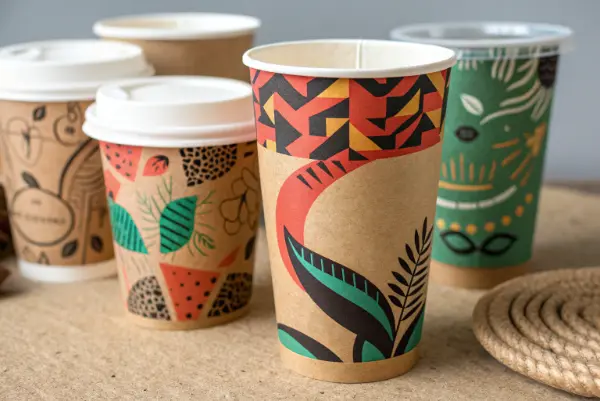
I’ve had many conversations with designers who send me a beautiful branding guide with a very specific shade of light yellow as their primary color. Then they tell me they want to print it on a brown kraft paper cup. I have to gently explain that it’s just not going to work. Instead of seeing this as a roadblock, I encourage them to see it as a creative challenge. We often find that a simplified version of their branding, perhaps using just their logo in black or white, looks even more powerful and authentic on a natural material.
Designing for the Material
Each eco-friendly material has its own personality. Successful branding comes from understanding and respecting it.
- Kraft Paper: Its natural brown color provides a rustic, earthy feel.
- Do: Use high-contrast colors like black, white, or deep, rich colors (dark green, burgundy). Simple, bold logos and text work best. Embrace the minimalist aesthetic.
- Don’t: Try to print light or pastel colors. They will look dull and muddy against the brown background. Avoid designs with subtle color gradients.
- Bagasse (Sugarcane Fiber): Typically off-white or light tan with a slightly fibrous texture.
- Do: Bagasse offers a better canvas for color than kraft paper. Most colors will show up well, though they might be slightly less vibrant than on pure white paper. It’s great for a natural, organic look.
- Don’t: Expect the surface to be perfectly smooth. The subtle texture is part of its charm, so designs should not rely on razor-sharp, microscopic details.
- PLA (Polylactic Acid): Available as a clear or brilliant white material.
- Do: Treat it like a blank canvas. PLA is excellent for full-color, vibrant, and complex designs. Clear PLA cups are perfect for showing off colorful beverages, with branding printed directly on the surface.
- Don’t: Forget its primary function. If you have a visually appealing drink, use minimal printing on clear PLA to let the product shine.
Strategies for Success
To navigate these constraints effectively, Jacky and I always follow a few key strategies.
- Get Samples: Always, always get printed samples on the actual material you plan to use. A color on a computer screen looks completely different when printed on kraft paper.
- Simplify Your Palette: Consider creating a secondary branding guide specifically for your eco-packaging. This might involve using a one-color version of your logo or sticking to a limited, high-contrast palette.
- Use Sleeves and Labels: If your branding absolutely requires a specific color background, use a printed sleeve or a certified compostable label. This gives you full design control while keeping the cup itself simple and eco-friendly.
Turning a Constraint into a Feature
| Material | Design Strategy | Brand Message |
|---|---|---|
| Kraft Paper | Minimalist, high-contrast print | Earthy, authentic, rustic |
| Bagasse | Natural color palette, simple logos | Organic, clean, sustainable |
| PLA | Full-color printing or clear design | Modern, fresh, vibrant |
Ultimately, the "constraints" of sustainable materials are actually an opportunity. They encourage thoughtful, authentic design. By letting the material’s natural beauty play a role in your branding, you send a clear and powerful message to your customers: we are a brand that is sustainable through and through.
Conclusion
Customizing your eco-friendly beverage packaging is not about limitations; it’s about creative opportunities. By choosing the right printing methods, using sustainable inks, and adding tactile details like embossing, you can create a memorable brand experience. Working with the natural beauty of sustainable materials will make your packaging stand out and proudly communicate your commitment to the planet.
