
Are you struggling to find a truly eco-friendly packaging solution for your bubble tea shop? You’ve switched straws, but the plastic cups, films, and carriers still pile up, clashing with your brand’s green image. It feels like a problem with no perfect answer, leaving you worried about both customer perception and environmental impact.
The complete sustainable packaging solution for a bubble tea shop involves more than just straws. It requires a system of compostable products working together. This includes PLA (polylactic acid) cups, lids, and sealing films, which are plant-based and commercially compostable. Pair these with wide-diameter paper, bamboo, or PLA straws for the boba pearls. Finally, use recycled paper or molded pulp carriers for takeaway orders to create a fully eco-conscious customer experience from cup to carrier.
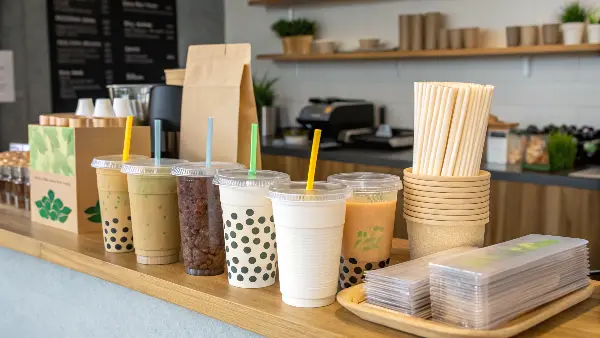
Moving your bubble tea shop towards full sustainability can feel like a huge task. It’s easy to get stuck on one item, like the straw, and forget about the bigger picture. But your customers are smart; they see the plastic cup and lid, even if the straw is paper. To truly stand out and meet the expectations of eco-conscious consumers, you need a holistic strategy. Let’s break down each component, step-by-step, to build a complete sustainable solution that protects the planet and enhances your brand. This guide will show you exactly how to do it.
What Are the Best Eco-Friendly Cups and Lids for Bubble Tea?
Your bubble tea cup is your brand’s billboard, but traditional plastic cups create lasting waste. Customers love your drinks but are increasingly aware of the single-use plastic problem. You want a clear, durable cup that showcases your colorful creations without harming the environment, but finding the right alternative seems complicated and expensive.
The best eco-friendly options for bubble tea cups and lids are made from PLA (Polylactic Acid). PLA is a bioplastic derived from plant starches like corn. It offers the same clarity and durability as traditional PET plastic but is certified commercially compostable (EN13432, ASTM D6400). This means it breaks down into natural elements under specific industrial composting conditions, avoiding plastic pollution. For a complete solution, pair clear PLA cups with matching PLA flat or dome lids.
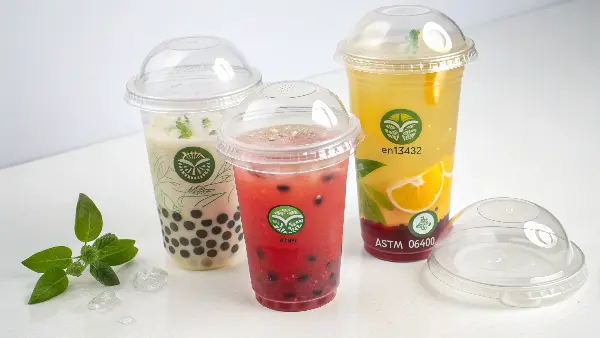
Choosing the right material for your cups and lids is the most significant step you’ll take. As a supplier, I’ve helped countless businesses like yours navigate this choice. While you might see options like paper cups, they often have a plastic or PLA lining that can complicate recycling and composting. For bubble tea, the visual appeal is key, and that’s where PLA truly shines. It gives you the crystal-clear look of plastic without the fossil-fuel-based guilt.
Key Considerations for PLA Cups and Lids
When sourcing these items, Jacky, a packaging specialist I work with, always focuses on a few critical points.
First, material clarity and durability are non-negotiable. Your drink needs to look as good as it tastes. Good quality PLA is virtually indistinguishable from PET plastic to the naked eye and is strong enough to handle shaking and transport without cracking.
Second is certification. Look for suppliers who can provide documentation for standards like EN13432 or ASTM D6400. This is your proof that the product is genuinely compostable and not just "biodegradable" greenwashing.
Finally, think about temperature limitations.
PLA vs. Other "Eco" Options
Here’s a simple breakdown to help you compare the most common materials available for bubble tea cups:
| Material | Pros | Cons | Best For |
|---|---|---|---|
| PLA | Crystal clear, certified compostable, plant-based. | Not suitable for hot drinks, requires industrial composting. | The gold standard for cold bubble tea drinks. |
| PET | Very clear, durable, widely recyclable. | Made from fossil fuels, not biodegradable. | Conventional shops not focused on sustainability. |
| PP | More flexible than PET, recyclable. | Often less clear, also fossil-fuel-based. | Shops looking for a durable, low-cost plastic option. |
| Paper | Good for branding, renewable resource. | Requires a lining (often PE or PLA), not transparent. | Hot drinks or opaque beverages, not ideal for boba. |
Ultimately, for the classic bubble tea experience, PLA offers the best balance of performance, aesthetics, and true environmental benefit.
Can Bubble Tea Sealing Films Really Be Sustainable?
You’ve found the perfect compostable cup, but what about the sealing film? That thin layer of plastic welded onto the cup rim is standard for bubble tea, preventing spills and keeping drinks fresh. Using a conventional plastic film negates the benefit of your eco-cup, creating a confusing message for your customers and contaminating the waste stream.
Yes, bubble tea sealing films can be sustainable when you choose a PLA-based option. Just like PLA cups, these sealing films are derived from plant resources and are designed to be commercially compostable. They provide a strong, secure seal for your drinks while ensuring that the entire cup, lid, and seal can be disposed of in the same industrial composting bin. This creates a cohesive and genuinely eco-friendly packaging system.
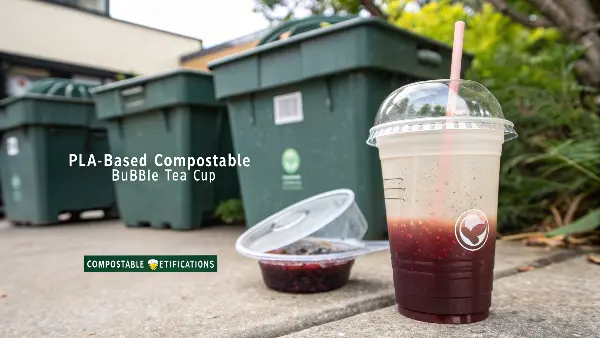
In my experience, the sealing film is the component most often overlooked by shop owners transitioning to green packaging. It’s a small detail, but it matters immensely. Imagine a customer carefully placing their compostable cup into the correct bin, not realizing the plastic film on top will contaminate the entire batch. Using a compostable PLA film closes this loop perfectly. It ensures your commitment to sustainability is thorough and not just for show.
Ensuring Compatibility and Performance
One of the first questions I get from clients is whether PLA films work with their existing sealing machines.
The answer is almost always yes. PLA sealing films are designed to work with standard heat-sealing machines, but you may need to make a small adjustment.
- Temperature Settings: PLA has a lower melting point than traditional plastics like PE or PP. You’ll likely need to slightly lower the temperature on your sealing machine to get a perfect seal without melting or warping the film. A few test runs are usually all it takes to find the sweet spot.
- Film Specifications: When ordering, ensure the film’s width and roll diameter are compatible with your machine. A good supplier can provide these specifications upfront. We often send sample rolls to clients like Jacky so they can test compatibility before placing a large order.
Why a System Approach is Crucial
Think of your packaging not as individual items, but as a complete system. Every part should be designed to end its life in the same way.
- Cup: PLA (Compostable)
- Lid (if used): PLA (Compostable)
- Sealing Film: PLA (Compostable)
- Straw: PLA, Paper, or Bamboo (Compostable)
When all components share the same disposal method, it simplifies everything for your staff and your customers. You can confidently place a sign on your bins that says, "Our entire cup is compostable." This clear, consistent messaging builds trust and reinforces your brand’s commitment to the environment. It moves you from simply selling a product to offering a responsible experience.
Which Eco-Friendly Straws Actually Work for Boba Pearls?
Finding the right straw is a huge pain point for bubble tea shops. You switched to paper straws, but customers complain they get soggy before the drink is finished. You tried other options, but they were too narrow for the tapioca pearls or cracked easily. This frustration can damage your reputation and drive customers away, undoing all your hard work to be sustainable.
The best eco-friendly straws for boba pearls are wide-diameter (10-12mm) options made from PLA, a strong paper composite, or bamboo. PLA straws offer the feel and durability of plastic but are commercially compostable. High-quality, multi-ply paper straws are designed to resist sogginess for several hours. Bamboo straws are reusable and naturally durable. Choosing one of these ensures a positive customer experience while upholding your environmental goals.
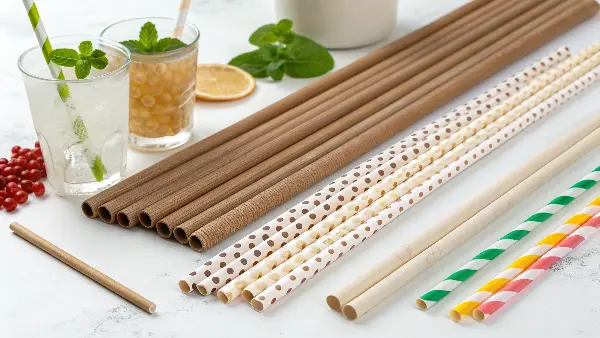
I remember talking to a client who nearly gave up on eco-friendly straws. Her customers were so unhappy with the initial paper ones she sourced that sales actually dipped. The problem wasn’t the idea; it was the execution. Not all "green" straws are created equal, especially when you need them to be wide, sharp, and durable enough for boba. The key is to source straws specifically designed for bubble tea, not just any generic eco-friendly straw.
A Head-to-Head Comparison of Boba Straw Options
Let’s break down the pros and cons of the top contenders. This is the exact kind of analysis I walk through with packaging specialists to ensure they make an informed choice for their brand.
| Straw Material | Durability | Customer Experience | Environmental Impact | Key Consideration |
|---|---|---|---|---|
| PLA | Excellent. Resists cracking and doesn’t get soggy. | Feels just like traditional plastic. Smooth and effective. | Commercially compostable. Plant-based origin. | Must be disposed of in an industrial compost facility. Not for hot drinks. |
| Paper (High-Quality) | Good. Modern multi-ply straws last for hours. | Can have a slight paper taste/texture for some. | Biodegradable and compostable. Made from a renewable resource. | Quality varies greatly. Source from a reputable supplier to avoid sogginess. |
| Bamboo | Excellent. Very strong and durable. | Natural, rigid feel. Can be washed and reused by the customer. | Reusable and biodegradable. Highly sustainable resource. | Higher upfront cost per straw. May require customer education on reusability. |
Making the Right Choice for Your Brand
So, which one should you choose?
- If you want a seamless replacement for plastic: Go with PLA. It offers the exact same user experience your customers are used to, making the transition effortless. This is often the best choice for high-volume shops where consistency is key.
- If you want the most recognized "eco" option: Paper is a solid choice, as long as you invest in quality. Customers instantly recognize paper as an alternative to plastic. Be sure to test samples to ensure they hold up for the average time it takes to drink a bubble tea.
- If you want to offer a premium, reusable option: Bamboo can set your brand apart. It positions you as a leader in sustainability. You could even sell branded bamboo straws as an add-on, encouraging a culture of reuse among your customers.
Ultimately, the "best" straw is one that functions perfectly for your customers and aligns with your brand’s specific sustainability message.
How Do I Choose a Reliable Supplier for My Sustainable Packaging?
You’re ready to commit to a full range of sustainable packaging, but now you face a new challenge: finding a supplier you can trust. The market is flooded with companies claiming their products are "green," but you’re worried about false claims, inconsistent quality, and unreliable shipping. Choosing the wrong partner could lead to wasted money, damaged brand reputation, and logistical nightmares.
To choose a reliable supplier, verify their product certifications (like EN13432 for compostability), request samples to test quality firsthand, and assess their supply chain transparency. A trustworthy partner will provide clear documentation, understand international logistics, and offer customization options like private labeling. They should act as a consultant, helping you build a cohesive packaging system rather than just selling you individual products. This ensures both compliance and brand consistency.
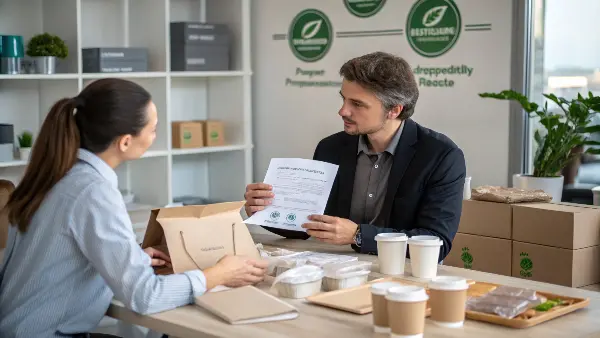
This is where my team at Ecosourcecn spends most of its time. Sourcing isn’t just about finding the cheapest price; it’s about building a resilient and ethical supply chain. One of my clients, a growing chain in Canada, was about to sign a deal with a supplier offering rock-bottom prices. I advised them to ask for the compostability certifications first. The supplier couldn’t provide them. We saved them from a massive greenwashing scandal that would have destroyed their eco-conscious brand image.
A Checklist for Vetting Suppliers
When you’re evaluating potential partners, don’t be afraid to ask tough questions. Treat it like a job interview. Here’s a checklist to guide you:
-
Certification and Compliance:
- Do they hold internationally recognized certifications (EN13432, ASTM D6400, BPI, FDA, LFGB)?
- Can they provide you with copies of these certificates? Are they current?
- Do they understand the specific import regulations and standards for your country?
-
Product Quality and Consistency:
- Will they provide samples of their entire product line (cups, lids, films, straws)?
- Do they have robust quality control processes in their factories?
- Are their materials (like PLA) sourced from reputable manufacturers?
-
Logistics and Scalability:
- Can they handle international shipping, including customs clearance?
- What are their typical lead times for production and shipping?
- Can they scale with your business as you grow or open new locations?
-
Customization and Partnership:
- Do they offer private label services to print your logo on cups and other items?
- Are they willing to work with you to find solutions, or are they just order-takers?
- Is their communication clear, professional, and timely?
Finding a partner who ticks all these boxes is the key to a successful and stress-free transition to sustainable packaging. A great supplier doesn’t just sell you boxes; they provide peace of mind.
Conclusion
Creating a complete sustainable packaging system for your bubble tea shop goes far beyond just the straw. By thoughtfully selecting compostable PLA cups, sealing films, and functional straws, and partnering with a reliable, certified supplier, you can build a truly eco-conscious brand. This holistic approach not only protects the planet but also resonates deeply with today’s environmentally aware consumer.
